1. Introduction
For recyclers and scrapyard operators, accurately identifying and sorting scrap metal is crucial for maximizing value—yet many struggle to distinguish between key types. Below, we break down the main metal categories and provide guidance on selecting the right recycling equipment to streamline your process.
2. What are the five main types of metal scraps
There are many types of scrap metals in our daily lives, the most common are Non-ferrous metals, Ferrous Metals, and also include Precious Metals, Specialty Metals, and Base Metals. Next, I will introduce the differences between them and their values.
2-1: Non-ferrous Metals
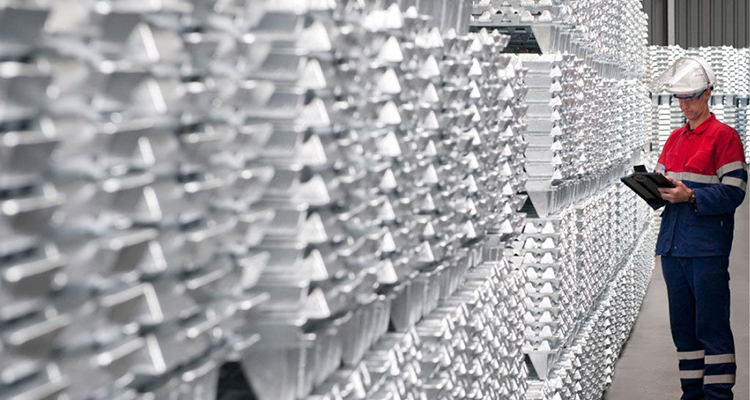
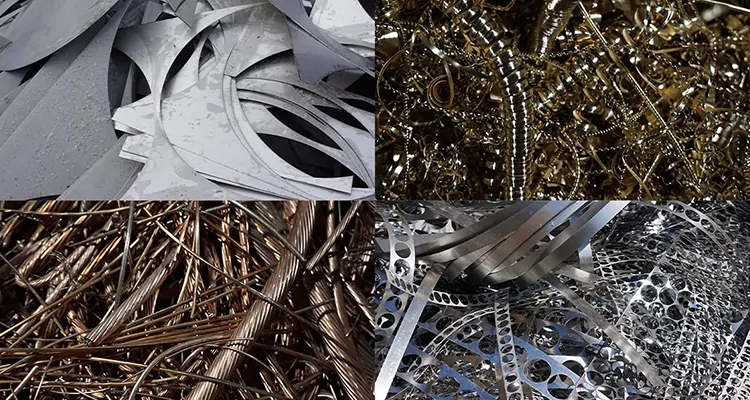
What are non-ferrous metals? They don’t contain any iron or alloy. Typical characteristics include lightweight, non-magnetic, and good conductivity, thermal conductivity, extensibility, and durability. The most common non-ferrous metals are aluminum, copper, lead, zinc, tin, nickel, titanium, and alloys such as brass, and more. They have a wide range of applications, and we often find them in daily life, such as mobile phones, computers, wires, pipes, doors, windows, etc. Therefore, this is a very meaningful initiative for recycling IT waste and household appliance waste generated in daily life, which can be reused and processed into new products and returned to our lives.
Many people are at a loss when considering adding a scrap metal recycling business. However, you can refer to past scrap metal recycling reports for guidance. This data can tell you which types of scrap metal recycling businesses have development potential. For example, the total amount of non-ferrous metal scrap recycled globally in 2024 exceeded 40 million tons, and this trend is expected to continue in 2025, indicating that non-ferrous metal recycling is a promising area to consider. The following are the top recycled non-ferrous metals:
1). Copper Scrap: Accounting for approximately 35% of total recycling volume, mainly comes from wires, pipes, and electronic equipment, etc.
2). Scrap Aluminum: Accounting for approximately 30% of total recycling volume, it mainly comes from material packaging products, automotive parts, and architectural aluminum profiles, etc.
3). Lead & Zinc Scrap: Lead and zinc together account for approximately 20% of the total volume, mainly derived from used batteries, circuit boards, ammunition casings, medical devices, etc.
4). Nickel Scrap: Accounting for approximately 15% of the total volume, it primarily originates from stainless steel products, lithium batteries, aircraft wings, and similar sources.
2-2: Ferrous Metals
What are ferrous metals? Their main component is iron or an iron alloy. Typical characteristics include high strength, high hardness, durability, and magnetic properties, but prone to rust and corrosion (excluding stainless steel or wrought iron). The most common ferrous metals are steel, carbon steel, alloy steel, stainless steel, cast iron, and wrought iron. They have a wide range of applications in the industrial field and are usually used for manufacturing mechanical equipment, car bodies, engines, steel bars, and building materials, etc. This is also a meaningful initiative for recycling scrap ferrous, because it can reduce the extraction of raw ores, lower energy consumption and environmental pollution, and alleviate the problem of the gradual depletion of high-quality mineral resources. After being recycled, the scrap ferrous metals can be reprocessed into new metal products, which have a very high recycling value.
For scrap metal recyclers dealing with ferrous metals, it's crucial to stay informed about relevant data on ferrous metals. This can serve as a benchmark for your business scale. According to 2024 data, global recycled steel usage was approximately 460.6 million tons, a figure that represents only the amount actually used in steelmaking (primarily derived from ferrous metal recycling). The actual amount of ferrous metals recycled is far greater than this volume. The following are the main types of ferrous metal scrap that are recycled:
1). HMS (primarily carbon steel): Accounting for approximately 40% of total recycled materials, this category dominates global trade volume. HMS can be recovered from building demolition and the decommissioning of steel-framed industrial plants.
2). Scrap car bodies (primarily carbon steel): Approximately 25%, it is an important source of scrap steel recycling.
3). Stamped steel (carbon steel plate): Approximately 15%, you can obtain it from scrapped car bodies, scrapped appliance shells, and scrapped steel furniture.

2-3: Precious Metals
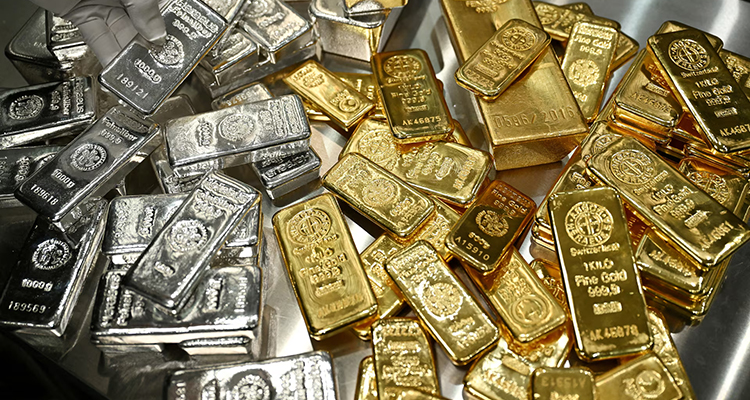
What are precious metals? Literally, they are rare and extremely valuable metals. Its typical characteristics include excellent ductility, reflectivity, conductivity, and corrosion resistance. Common precious metals include gold, silver, palladium, iridium, rhodium, osmium, ruthenium, and platinum, etc. Precious metals are usually applied in the financial sector, the luxury goods sector, or the high-end industrial products sector. For example, you can directly use gold as a financial investment product, and you can also directly wear gold and silver jewelry to decorate yourself. Precious metals are also used in aerospace and medical equipment because of their high-temperature oxidation resistance and corrosion resistance. The recycling value of precious metals is the highest due to their scarcity.
If you are a recycler, it's recommended not to focus solely on precious metals, as this will limit your market. Consider adding precious metals as a new category of recyclable materials to offer your customers more options. While there are no specific data reports available for precious metal recycling, industry data trends from 2023-2024 can provide a useful approximation:
1). Silver: Approximately 5,000 tons are recycled through formal channels each year.
2). Gold: The recovery amount is approximately 1,250 tons (this data is from 2023), mainly obtained from electronic waste and jewelry.
3). Platinum Group Metals (Pt, Pd, Rh): Approximately 106 tons of platinum group metals were recovered from automotive catalysts (this data is from 2023).

2-4: Specialty Metals
What are special metals? Literally, they are high-performance metals with specific application conditions and precise chemical compositions. Their typical characteristics include excellent strength, heat resistance, and corrosion resistance. Common special metals include high-alloy steel (stainless steel), titanium alloys, cobalt alloys, nickel-chromium alloys, and zirconium alloys. They are typically used in demanding high-tech and new energy application fields, such as aerospace (lightweight high-strength alloys), medical devices (biocompatible alloys), solar cells, liquid crystal displays, LED chips, etc. With the development of technology, due to the scarcity of resources and high mining costs of special metals, their recycling value is increasing.
Also due to the niche, you can use special metals as one of your recycled metal materials to enrich your recycling categories. There is no authoritative platform that releases an annual report on the total recycling volume of special metals. However, through research, we can identify several specialty metals with the highest core recycling value as follows:
1). High-alloy steel (stainless steel): This has the largest recycling volume and the highest recycling rate, and is one of the most common precious metals. It is primarily obtained from processing chips and turnings (resulting from CNC cutting, milling, and drilling), as well as from sheet metal and scrap generated during manufacturing processes.
2). Nickel-based alloys (including nickel-chromium alloys): This is the second largest category after stainless steel, as many high-temperature and corrosion-resistant alloys contain a high nickel content. They can be primarily recovered from industrial processing scraps, scrapped gas turbines, and automotive parts.
3). Titanium alloys: Due to their relatively niche applications and low recycling volume, they can be recovered from aerospace scrap and discarded aircraft parts.

2-5:Base Metals
What are basic metals? As the name suggests, they are the cheapest, most common, and most abundantly stored metals. Their typical characteristics include high reactivity (except for copper, which is resistant to oxidation) and good electrical conductivity. Common basic metals include copper, aluminum, zinc, nickel, lead, tin, and iron. Other industrial-purpose basic metals include bismuth, cadmium, zirconium, antimony, manganese, beryllium, chromium, germanium, and vanadium. They are mainly used in the production of daily products on a large scale, such as wires (copper), pipes (copper and lead), construction, and other daily items. Compared to precious metals, basic metals have greater reserves, lower extraction and refining costs, but due to their highest demand, they also have higher recovery value.
Base metals encompass a wide variety of metals, including some non-ferrous and ferrous metals, and recyclers are generally familiar with them. But are you familiar with the base metals used in industrial applications? Because they primarily exist as alloying elements in metal alloys, their data is usually not compiled separately. Here are some of the main alloying elements:
1). Chromium (Cr): It is a major alloying element in stainless steel and other high-performance alloys. Chromium has a high recycling rate, but it is significantly lower than that of basic metals such as steel or copper.
2). Manganese (Mn): It is a key alloying element in steel and many iron alloys. Manganese is usually recovered indirectly through the recycling of ferrous metals.
3). Vanadium (V): It is usually found in high-strength steel and special iron alloys, so the amount of vanadium recovered is very small.

3. How to Choose The Right Recycling Equipment for Scrap Metal?
3-1: Baling
How to Choose the Right Metal Scrap Compactor? - Key considerations include the material being processed, dimensions, production capacity, available floor space, and after-sales support. Below are several common types of equipment for baling scrap metal:
Hopper Style Automatic Metal Baler: Ideal for uniformly sized materials where downtime and manual loading are undesirable. This machine is renowned for its continuous-feed hopper design, solidifying its position as the industry leader in balers. Commonly used for aluminum cans, aluminum shavings, steel shavings, metal processing scraps, and similar materials.
Lid Style Automatic Scrap Metal Baler: If your materials are irregularly sized and large, choose this model without hesitation! This machine features a robust downward-pressing hatch design with cutting blades installed along the edges of both the compression chamber and the hatch cover. This design is specifically engineered to automatically cut waste exceeding the compression chamber's dimensions, preventing jams and malfunctions. Commonly used for construction aluminum profiles, rebar, mattress springs, and similar items.
Three-Way Compaction Metal Baler: If you're dealing with scrap metal that's both hard and high-volume, you won't regret choosing this machine! Featuring fully automatic three-directional compaction technology, three hydraulic cylinders work in sync to crush tough scrap metal into dense bales like a beast. Commonly used for construction demolition scrap, steel plate waste, and similar applications.
Two Ram Baler: If you are a very large-scale waste recycling plant and need to process a wide variety of materials, choose this machine immediately! This equipment is designed for multiple types of materials, and can bale not only scrap metal but also non-metallic materials. It is commonly used for aluminum cans, light scrap iron, aluminum profiles, cardboard, plastics, textiles, etc.
3-2: Shredding
How to Choose the Right Metal Shredding Machine? You need to consider whether the metal you are processing is non-ferrous metal, ferrous metal, or alloy metal, as different types of metals have different hardnesses. Secondly, you also need to consider the material size, capacity, output size, ultimate purpose, as well as blade shaft lifespan and maintenance support. Below are some of the best-selling metal shredders on the market:
Single-shaft shredder: If you are processing relatively light and thin scrap metal and require an output size smaller than 40x40mm, choose this! This equipment shreds materials through the shearing action between the rotating and stationary blades, and then uniformly screens the shredded material through a screen to obtain a consistent output. It is commonly used for UBC cans, metal shavings, copper wires, etc.
Dual-shaft shredder: If you are processing a variety of scrap metals or composite materials (metal + plastic + wood), and the output size requirements are not strict, choose this! This equipment uses two counter-rotating blades to shred the material through shearing and tearing, resulting in shredded material in strips or chunks. It is commonly used for mattresses, sofas, discarded household appliances, metal containers, etc.
Four-Shaft Shredder: If your material is hard and requires an output size smaller than 60 x 60mm, this is the machine for you! This equipment features four sets of cutting rollers that uniformly shred scrap metal through mutual shearing and tearing. The material then passes through a screen for uniform separation, with the final output size determined by the screen aperture—custom screen sizes are typically available. Commonly used for lithium batteries, oil filters, refrigerators, washing machines, and more.
Horizontal Hammer Mill: If you are dealing with a very large volume of scrap metal, the raw materials are also large in size, and you require strict purity of the final product, don't hesitate to choose this machine! This equipment uses high-energy and high-inertia hammers to repeatedly and forcefully strike the material, simultaneously separating impurities attached to the metal. The resulting uniformly sized, spherical material is then discharged through a customizable screen. It is commonly used for car bodies, cast aluminum parts, and scrap iron plates.
3-3:Sorting
How to Choose the Right Metal Sorting Machine? - Key considerations include the type of metal to be sorted, whether it will be integrated with existing recycling equipment, and the availability of professional after-sales service. The most common types of scrap metal sorting equipment on the market include:
Magnetic separators are primarily used to remove ferrous metals.
Eddy current separators are primarily used for the high-volume sorting of non-ferrous metals.
XRT sorters, also known as X-ray transmission sorters and X-Ray Sorting Machine, precisely improve the purity of non-ferrous metals by identifying material density.
XRF sorters, also known as X-ray fluorescence sorters, provide more precise identification by detecting elemental composition, achieving alloy-level sorting.
These sorting machines can be used in conjunction with scrap metal shredders to create a complete scrap metal crushing, sorting, and recycling line.
Maximize Your Yield with the Right Equipment
In summary, understanding the types of scrap metal is very important for your recycling business. By correctly sorting and identifying scrap metal, you can know how to properly choose recycling equipment to obtain pure metal, thereby increasing your recycling profits.
If you are currently stuck with messy scrap metal, we recommend you a very professional recycling equipment manufacturer - ENERPAT. ENERPAT is a manufacturer with more than 80 years of experience in R&D and manufacturing of recycling equipment. Its best-selling products include shredders, balers, sorters, and customized recycling solutions. It has successful customer cases in North America, South America, Europe, Oceania, Asia and Africa. You are welcome to make an appointment to visit and verify the operation of the equipment on site.
FAQs
Q: What's the difference between Ferrous and Nonferrous scrap?
A: It's very easy to understand. Ferrous metals contain iron and are prone to rusting. Non-ferrous metals do not contain iron. They are not magnetic, lightweight, and do not rust easily.
Q: What is the best equipment for recycling ferrous scrap metals?
A: Because ferrous metals are harder, when choosing recycling equipment, it's important to consider that the equipment's pressure and motor power should not be too weak. Otherwise, it may cause malfunctions such as jamming or stalling. For shredding, a hydraulically driven shredder is recommended. For baling, a three-way compression metal baler is recommended. For sorting, a magnetic separator should be considered.
Q: How does a baler help in scrap metal recycling?
A: The main purpose of a metal baling machine is to compress loose scrap metal into compact bales by pressure, thereby reducing its volume and lowering transportation costs. This not only allows downstream customers to sell the metal at a better price but also enables end-users to melt it more efficiently, increasing its recycling value.
Q: What are the advantages of using a shredder in metal scrap recycling?
A: The most obvious advantage is the reduced size, which facilitates subsequent sorting, resulting in purer metals and increased recycling value. It also indirectly reduces the need for raw material extraction, contributing to environmental protection.
Q: What equipment is best for recycling non-ferrous metals?
A: This depends on the intended use of the recycled material, as well as the quantity, sizes, and output of the waste metal to be processed. Common shredders, balers, and sorting machines can generally handle non-ferrous metal scrap, but for detailed solutions, it's best to consult a professional manufacturer of non-ferrous metal recycling equipment.
Call us today! +1(909)-996-3687
Email: info@enerpatrecycling.com
 English