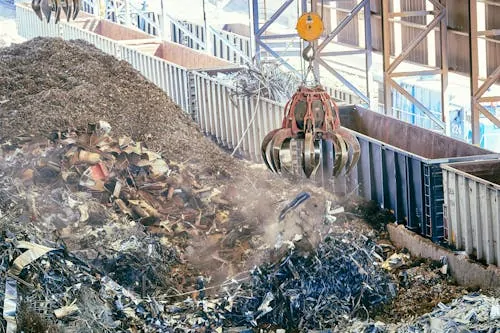
Aluminum scrap is becoming more varied and harder to handle, from used beverage cans to industrial offcuts and automotive parts. For recyclers, the challenge is no longer just recycling, but doing it efficiently and profitably. Each stage in the process, from sorting to melting, directly affects recovery and cost.
This guide walks through the aluminum recycling process and key factors that influence performance.
Understanding Aluminum Scrap: Types and Handling Differences
Before diving into the recycling steps, it pays to look at what you’re actually working with. In most operations, aluminum scrap isn’t uniform at all. Different shapes, sizes, and conditions mean different handling needs from the start.
New Scrap vs Old Scrap
Scrap usually splits into two main types.
New scrap comes straight from manufacturing, think extrusion offcuts, stamping waste, or machining leftovers. It’s typically clean and predictable, with known alloy types and minimal contamination. Often, it heads right back into production with little extra work.
Old scrap is the opposite. This is end-of-life stuff like used cans, window frames from demolitions, or car parts. Coatings, attachments, and mixed materials make it unpredictable, so it needs serious sorting and cleaning upfront. Most recycling headaches start here.
Common Forms of Aluminum Scrap
Even within those categories, the physical form changes everything about processing.
Beverage cans show up in huge volumes and are easy to collect, but the coatings and occasional liquids add work. Their low weight means they take up way too much space unprocessed. Extrusions and profiles from construction or industry are long, bulky, and awkward. The material’s often good quality, but the size and low density make transport and feeding into machines a real pain.
Cast aluminum from engines or machinery parts is denser and more compact. Still, varying alloys and trapped impurities can throw off later steps. Chips, turnings, and shavings from machining are the trickiest.They are loose, oily, lightweight, and quick to oxidize. Without proper management, you lose material fast. This is where an aluminum briquette machine directly solves the problem by turning this troublesome waste into dense, dry blocks ready for the furnace.
Facilities rarely see just one type. It’s usually a mix, which is why scrap form isn’t just trivia, it drives how you set up sorting, shredding, and everything else.
The Aluminum Recycling Process Step by Step
On paper, it looks like a neat sequence. In reality, it’s more like a chain reaction, one weak link affects everything downstream. Most efficiency gains or losses happen before the metal even hits the furnace.
Step 1: Collection and Sorting
It all starts with the source. Factory scrap behaves totally different from demolition yard material. Most operations get it mixed—alloys, shapes, contaminants.
Sorting is usually half manual, half automated. Workers pull out the obvious junk first, then magnets grab ferrous metals. The cleaner you get it here, the less headache later. Poor sorting doesn’t just hurt quality, it slows the whole line and means rework.
Step 2: Shredding
Next, everything’s got to come down to size. Bulky extrusions or castings won’t play nice in original form, they need shredding.
It’s not just about smaller pieces, though. Consistency is the real game-changer. Uneven output messes up separation and melting later. Thick profiles need heavy cutting power, thin cans need something that doesn’t over-shred.
Chips and turnings are their own nightmare, they tangle and don’t feed right. A good aluminum shredding machine balances speed, size control, and energy use. Get this right and everything downstream gets predictable.
Step 3: Separation and Cleaning
Now that everything’s shredded down, it’s time for the real sorting work. Magnets make a final pass to grab any ferrous metal that slipped through, then eddy currents pull the aluminum away from plastics, rubber, or other non-ferrous junk.
Coatings, oils, and residues are just as tricky, they don’t burn off cleanly and create slag or emissions later. Getting them out here saves headaches in the furnace.
Miss this step and your melt efficiency tanks. Do it right and the material heads downstream clean and predictable.
Step 4: Densification
Even after shredding and cleaning, most aluminum scrap is still a pain to handle—too bulky or too loose, eating up space and driving up shipping costs. That’s where baling and briquetting make a real difference.
For cans, profiles, and extrusions, a robust aluminum scrap baler turns awkward volume into stackable, high-density blocks that slash transport costs.
Chips and turnings demand a different approach. Without briquetting, those loose, oily fines oxidize fast in the furnace and can even float on the molten metal. An aluminum briquette machine presses them dense, squeezing out cutting fluids and keeping more metal in the loop.
Get this right and transport gets cheaper, storage simpler, and melting more efficient. Not glamorous, but it pays off downstream.
Step 5: Melting and Refining
Prepared scrap finally hits the furnace. If upstream was solid, it melts clean. Heat liquifies it, then skim slag and degas. After that, you skim off the slag, pull out gases, and tweak the alloy as needed.
Bad input means the furnace fights back with extra energy waste and poor recovery. Good prep keeps it efficient and the output consistent.
Step 6: Casting and Reuse
Molten aluminum pours into ingots or billets, heads back to manufacturing. Loop closed. But what comes out here tells the whole story. Early sloppiness shows up as lower-grade metal or recovery loss.
These steps don’t work in isolation. Fix shredding, separation gets easier. Nail densification, melting improves. Most smart recyclers obsess over the handoffs between stages, not individual machines.
Common Challenges in Aluminum Recycling
Most headaches start with the scrap itself, not the furnace. Mixed contamination tops the list. Plastics, steel attachments and coatings show up everywhere. If you don't catch them early, they turn into slag later and kill your recovery rates.
Low density scrap like cans and extrusions is another pain. These take up too much truck space and handling time. Chips and turnings make it worse. They’re loose, oily and oxidize fast during melting. Storage and transport pile on the problems. Poorly prepared scrap won’t stack right or feed smoothly into equipment.
Fix the preparation upfront and most of these issues sort themselves out. Operators who get this right spend less time firefighting and more time hitting their yield targets.
Improving Efficiency with the Right Equipment
When scrap starts causing headaches, throwing more workers at it rarely helps. You need better processing from the start. Good shredders make everything downstream easier. They turn uneven scrap into consistent sizes so separation works better and the line keeps moving.
Balers fix the volume problem. Cans and extrusions go from taking up half a truck to stacking neatly for transport and furnace loading. Chips and fines need briquetters. Those loose oily bits burn off fast otherwise. Compressed into blocks, you hold onto more metal and handle them like any other scrap.
We recommend using a Turnkey Aluminum Recycling Line where one shredder feeds balers and briquetters matched to your scrap mix. That's when operations really smooth out and costs drop.
FAQs
Q: How many times can aluminum be recycled?
A: Aluminum can be recycled indefinitely without losing its properties, making it one of the most sustainable industrial metals.
Q: What industries rely most on recycled aluminum?
A: Automotive, construction, packaging, and electronics industries are among the largest users of recycled aluminum.
Q: What contaminants affect aluminum recycling the most?
A: Common contaminants include plastics, rubber, coatings, oils, and attached ferrous metals, all of which can reduce recovery rates.
Q: What happens if aluminum scrap is not properly sorted?
A: Poor sorting can lead to lower material quality, higher processing costs, and reduced melting efficiency.
Q: How long does the aluminum recycling process take?
A: The timeline varies depending on facility capacity and process complexity, but industrial recycling can be completed within hours to days.
Q: How does aluminum recycling impact carbon emissions?
A: Using recycled aluminum significantly reduces greenhouse gas emissions compared to primary production, contributing to lower overall carbon footprints.
Q: Why is aluminum scrap pricing so variable?
A: Prices fluctuate based on global demand, alloy type, contamination levels, and market conditions in the metal industry.
Q: Is aluminum recycling regulated?
A: Yes, regulations vary by country but often cover emissions, waste handling, and environmental compliance in recycling operations.
Final Thoughts
Aluminum recycling comes down to nailing the details. Handle it right from sorting through prep, and low-value scrap turns into steady output. AtENERPAT, the focus is on making each stage of this process more efficient and reliable, from the shredder that handles your input to the balers and briquetters that prepare your material for the melt.
Enerpat is a global company specializing in waste-recycling and disposal solutions, with a mission to help customers build a better, more sustainable world. We are a leading global provider for municipal and industrial clients, helping them recycle and dispose of waste, reduce costs and consumption, and create more value.
We focus on sorters, shredders, balers, shears, and disposal equipment for a wide range of recycling needs. Enerpat believes that “Quality Transform The World.” We deliver the industry’s highest levels of quality and service. Choosing Enerpat means choosing trust and value.
 English