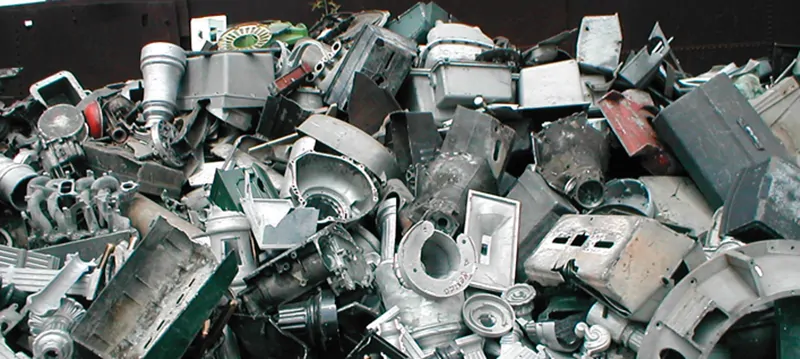
Scrap aluminum prices can vary more than you might expect as a seller. The final value depends not only on market conditions, but also on material quality, preparation, and where you choose to sell.
In the following sections, we will look at what affects pricing and how to get better value from your scrap aluminum.
Scrap Aluminum Prices Today
Scrap aluminum prices are influenced by both global market trends and local buying conditions. In fact, the price you receive often depends just as much on your local yard as it does on the wider market. Regional demand, transport costs and the volume of material a buyer can handle all play a role in the quote you receive.
As of early May 2026, scrap aluminum prices typically range from $0.40 to $1.00 per pound. Higher grade materials such as clean aluminum extrusion, used beverage cans (UBCs), and certain industrial offcuts, usually command prices at the upper end of this range, while mixed or lower-quality scrap tends to be priced lower.
Material condition is one of the biggest pricing factors. Clean, well-sorted aluminum is quicker and cheaper for recyclers to process, so it generally receives better offers. On the other hand, scrap that includes steel, plastic, rubber, or dirt requires additional separation and handling, which reduces its value.
Scrap Type
Typical Condition
Relative Market Value
Clean Aluminum Extrusion
Bare, clean, unpainted, low contamination
Very High
Painted Aluminum Extrusion
Coated or painted surface
High
UBC Aluminum Cans
Used beverage cans, compressed and sorted
Medium to High
Aluminum Sheet & Plate Scrap
Industrial offcuts or fabrication scrap
High
Aluminum Turnings
Machining waste with possible oil residue
Medium
Mixed Aluminum Scrap
Different grades combined together
Low to Medium
Contaminated Aluminum Scrap
Mixed with steel, plastic, rubber, or dirt
Low
Price variations between different buyers are also common. Some yards are set up to handle large volumes of clean industrial scrap, whilst others deal more with mixed or consumer material. Their equipment, labour costs and processing procedures all influence the prices they offer.
As prices can fluctuate frequently, market rates should be treated as a guide rather than a fixed number. In many cases, the preparation and presentation of the scrap have as much impact on the final price as the market itself.
What Actually Determines Scrap Aluminum Prices
The price of scrap aluminum is not determined by a single factor. What buyers are really evaluating is how much work your material will require before it can be processed.
The following factors directly influence the price:
The type of aluminum (extrusion, cast, UBC, mixed scrap)
Cleanliness and level of contamination
How well the material is sorted
The total volume you are selling
The buyer’s own processing costs and capabilities
In short, the more effort required to sort, clean, or separate your scrap, the lower the price you will receive. Clean, clearly sorted material is easier to handle and resell, so it consistently gets better offers.
Know Your Scrap
1. Why mixed scrap loses value
Mixed scrap is difficult to price and harder to process. When different grades of aluminum, or even other metals are mixed together, buyers have to spend extra time on sorting and separating the materials before they can be reused.
Because of that uncertainty and added cost, most yards will quote mixed scrap at a lower, more conservative price. Even if part of the load is high-quality material, once mixed together, it usually fails to command its full value.
2. What a difference proper sorting makes
Sorting is one of the simplest ways to improve the value of your scrap before selling. Sorting different types of aluminum separately makes it easier for buyers to assess quality and provide more accurate quotes.
Well-sorted material moves faster through the recycling process and requires less additional processing, thereby consistently receiving better offers. For larger operations, using a sorting line can help maintain consistent quality and reduce contamination at scale.
How to Get the Best Value from Your Scrap Aluminum
Getting a better price depends on more than just market timing. In most cases, the key lies in how your material is prepared before it reaches the buyer.
Clean material gets better offers
Dirt, paint, plastic, rubber, and attached steel all reduce the value of your scrap. The cleaner the material, the less work the buyer has to do, and the more willing they will be to pay.
Compare buyers before you sell
Prices can vary between yards, even for the same material. A few quick calls with clear descriptions of your scrap can give you a much better idea of what your load is actually worth.
Sell when the market is favorable
Prices do flucuate, but small market changes are often outweighed by material quality. A clean, well-sorted load today will usually perform better than poorly prepared material sold at a slightly higher price.
Volume and consistency
Larger volumes give you more negotiating power. If you can supply material consistently, buyers are also more likely to offer stable and competitive prices over the long term.
Equipment that makes a difference
For higher volumes, manual sorting has its limits. Equipment like an eddy current separator can effecticely remove non-aluminum materials and reduce contamination, helping you deliver cleaner, more consistent scrap that commands a better price.
FAQs
Q: What types of aluminum scrap are most commonly recycled?
A: Aluminum scrap commonly comes from cans, extrusion, siding, wire, automotive parts, and industrial production waste. The most suitable type depends on the recycler’s equipment and processing needs.
Q: How often do scrap aluminum prices change?
A: They can change frequently, sometimes even weekly, depending on market conditions and buyer demand.
Q: How should aluminum scrap be stored before recycling?
A: Aluminum scarp should be stored in a dry, organized way to reduce contamination and prevent mixing with other metals or debris. Good storage can help preserve value.
Q: How much more do I get paid for clean vs dirty aluminum scrap?
A: Clean aluminum usually pays 30-50% more than contaminated material. A buyer spends less time processing, so they pass the savings to you. The difference adds up fast on latger loads.
Q: Should I wait for aluminum prices to go up before selling?
A: Only if you have storage space. Market timing works better with large, clean, sorted loads you can hold. Mixed scrap loses value faster than market prices fluctuate.
Q: How can I tell if my scrap yard is giving me a fair price?
A: Call 2-3 yards with your material specifications before going. Same-day quotes from competitors give you leverage. If one scrap yard offers a significantly lower price, ask them why before accepting the quote.
Final Thoughts
Many sellers focus on market prices, but overlook what they can actually control. Scrap aluminum prices depend on more than market rates. Cleanliness, sorting, buyer choice, and volume all affect your final profit. With the right equipment, you can improve material quality before sale, and ENERPAT helps you capture more value from every load.
Enerpat is a global company specializing in waste-recycling and disposal solutions, with a mission to help customers build a better, more sustainable world. We are a leading global provider for municipal and industrial clients, helping them recycle and dispose of waste, reduce costs and consumption, and create more value.
We focus on sorters, shredders, balers, shears, and disposal equipment for a wide range of recycling needs. Enerpat believes that “Quality Transform The World.” We deliver the industry’s highest levels of quality and service. Choosing Enerpat means choosing trust and value.
 English