Metal Chip Processing and Recycling: A Complete Guide for Manufacturers
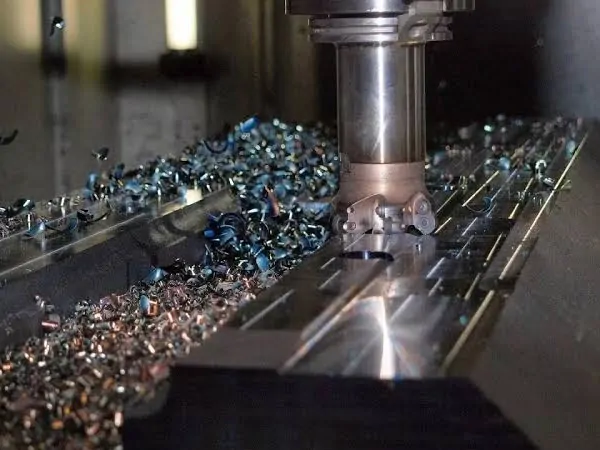
Metal chips are a by-product of machining and metalworking in industries such as CNC machining, automotive, aerospace, and fabrication. They often contain oils, lubricants, and moisture that reduce recycling efficiency. Proper processing helps recover valuable resources and reduce costs.
This guide explains the key challenges, processing methods, and equipment commonly used in metal chip recycling.
Where Metal Chips Come From
1. CNC Machining
CNC machining is one of the main sources of metal chips. Turning, milling, drilling, and boring all remove material from the workpiece, producing chips that may be long, curled, broken, or fine depending on the process and the metal itself.
2. Manufacturing and Metal Fabrication
Metal fabrication shops and general manufacturing facilities generate chips during cutting, trimming, and shaping operations. These chips often vary in size and form, which makes collection and recycling planning more important.
3. Automotive and Aerospace Production
Automotive and aerospace production usually creates a high volume of machining waste because precision parts require repeated cutting and finishing. For you, that often means a steady stream of valuable scrap that should be processed efficiently instead of being treated as ordinary waste.
4. Tooling and Equipment Manufacturing
Tooling, mold making, and equipment manufacturing also produce regular chip output during machining. These chips may not always be large in volume, but they are often consistent and valuable enough to justify proper recycling handling.
Typical Metal Chip Processing Workflow
Step 1. Collection and Basic Handling
The process starts as soon as the chips leave your machine. If you let them pile up around the workshop, they become harder to manage, easier to contaminate, and more expensive to move later, so the first priority is always to collect them in a controlled way. In many plants, you will see chips going straight from the machining area into bins, hoppers, or conveyor-fed collection points so they can be handled without unnecessary manual work.
Good collection is not just about keeping the floor clean. It also helps you separate chip streams by material type, reduce fluid leakage, and avoid mixing high-value metal chips with dirt or general waste. When you handle collection properly from the start, the rest of the recycling line becomes much more stable and efficient.
Step 2. Size Reduction (When Needed)
Not every chip needs to be shredded, but long, tangled, or stringy chips often do. If your chips are too long, they can bridge in hoppers, wrap around equipment, and create uneven feeding problems in the next process, especially before de-oiling or briquetting. Size reduction helps you turn those irregular chips into shorter, more uniform pieces that are easier to transport and process.
This step is especially useful when your production produces a high share of long chips from turning, boring, or milling. Once the chips are cut down to a more consistent size, you can usually improve flow into the wringer or briquette press and reduce stoppages in the line. In other words, if your chips are messy at the source, size reduction is often what makes the whole recycling process practical.
Step 3. Oil and Coolant Removal
Most metal chips are not dry when you collect them. They often carry cutting oil, coolant, or other fluids that increase weight, create mess, and reduce scrap quality, so removing excess liquid is one of the most important parts of the workflow. If you leave too much fluid in the chips, you may face higher transport costs, lower resale value, and stricter handling requirements from recyclers or smelters.
That is why de-oiling is so important for many manufacturing operations. A proper wringer or centrifugal separator can spin out the excess liquid and help you recover usable cutting fluid at the same time, which means you are not only improving the scrap, you are also reducing waste. If your shop uses a lot of coolant, this step can make a real difference in both cost control and day-to-day cleanliness.
Step 4. Densification
Once the chips are cleaner and more manageable, the next step is often densification. Loose chips take up a lot of space, so compressing them into briquettes helps you reduce volume, improve storage efficiency, and make the material easier to ship or sell. For you, this usually means a cleaner yard, lower freight costs, and a more professional scrap stream.
Densification is also valuable because it can improve how the material performs in melting or remelting applications. Briquetted chips are more uniform, easier to handle, and often more attractive to buyers than loose, oily, irregular scrap. In many factories, this is the stage where the waste finally becomes a product with clear recovery value.
Why the workflow matters
You do not always need every step in every situation, but the sequence matters. If your chips are long and tangled, you may need shredding first; if they are oily, de-oiling becomes more important; and if you want to reduce transport or improve resale value, briquetting is usually the final move. When you match the workflow to your actual chip condition, you get a better recycling result with less effort and fewer problems on site.
Equipment Used in Metal Chip Processing and Recycling
Choosing the right equipment depends on the shape of your chips, how much oil they carry, and how far you want to take the recycling process. In most cases, you do not need every machine in the line, you just need the right combination to match your material and production flow.
Single Shaft Shredder
A Single Shaft Shredder is a good fit when your metal chips are long, tangled, or uneven in size. It helps you break them into shorter, more uniform pieces so they move more smoothly into the next recycling step.
Metal Chip Wringer
A Metal Chip Wringeruses high-speed centrifugal force to remove excess coolant or oil from the chips. It is a practical choice when you want cleaner scrap, less liquid loss, and lower transport weight.
Integrated Metal Chips Recycling System
An integrated Metal Chips Recycling System combines the main steps into one continuous line, usually including shredding, de-oiling, and briquetting. If you want a more efficient setup for higher production volume, this kind of system gives you a cleaner workflow and better output consistency.
FAQs
Q: Are metal chips the same as metal scrap?
A: Not exactly. Metal chips are the small by-products created during machining, while metal scrap can also include offcuts, leftover pieces, and defective parts.
Q: Does oil on metal chips affect recycling?
A: Yes, excess oil and coolant can lower scrap quality and make handling more difficult. Removing them first usually improves both transport efficiency and recycling results.
Q: Which metal chips are best for briquetting?
A: Loose, bulky, and hard-to-handle chips are usually the best candidates. Briquetting helps reduce volume and makes the material easier to store and melt.
Q: Do my factories need a complete chip recycling line?
A: Not always. The right setup depends on chip type, output volume, and how much processing you need on site.
Q: How can metal chip recycling reduce costs?
A: It can lower storage and transportation costs by reducing volume. It may also increase scrap value by turning messy chips into cleaner, denser material.
Final Thoughts
Metal chips are not just waste but a valuable recyclable material in modern manufacturing. With the right processing approach, manufacturers can improve efficiency, reduce costs, and recover more value from machining operations. Selecting the proper equipment depends on chip type, volume, and processing needs, and solutions from ENERPAT can support different application requirements.
Enerpat is a global company specializing in waste-recycling and disposal solutions, with a mission to help customers build a better, more sustainable world. We are a leading global provider for municipal and industrial clients, helping them recycle and dispose of waste, reduce costs and consumption, and create more value.
We focus on sorters, shredders, balers, shears, and disposal equipment for a wide range of recycling needs. Enerpat believes that “Quality Transform The World.” We deliver the industry’s highest levels of quality and service. Choosing Enerpat means choosing trust and value.
 English