 English

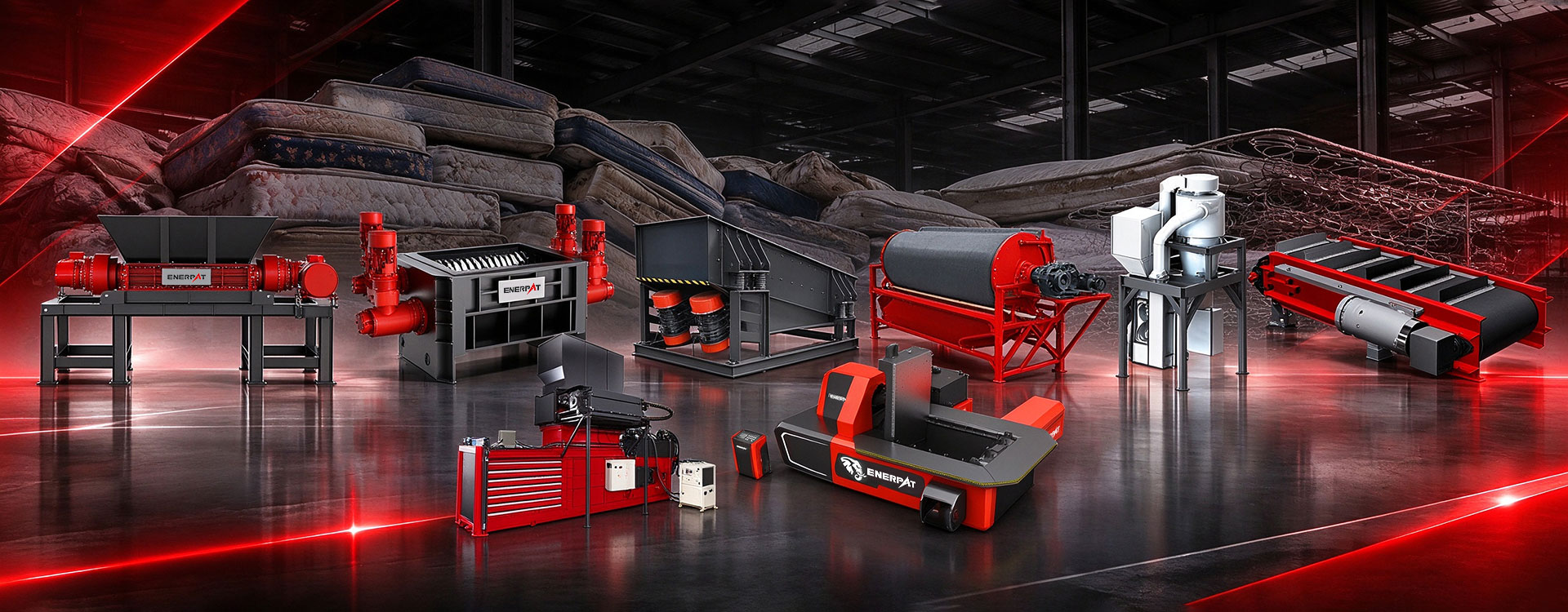
Mattress Recycling Solutions
Whole Mattress Shredding, Material Separation & Specialized Baling Equipment
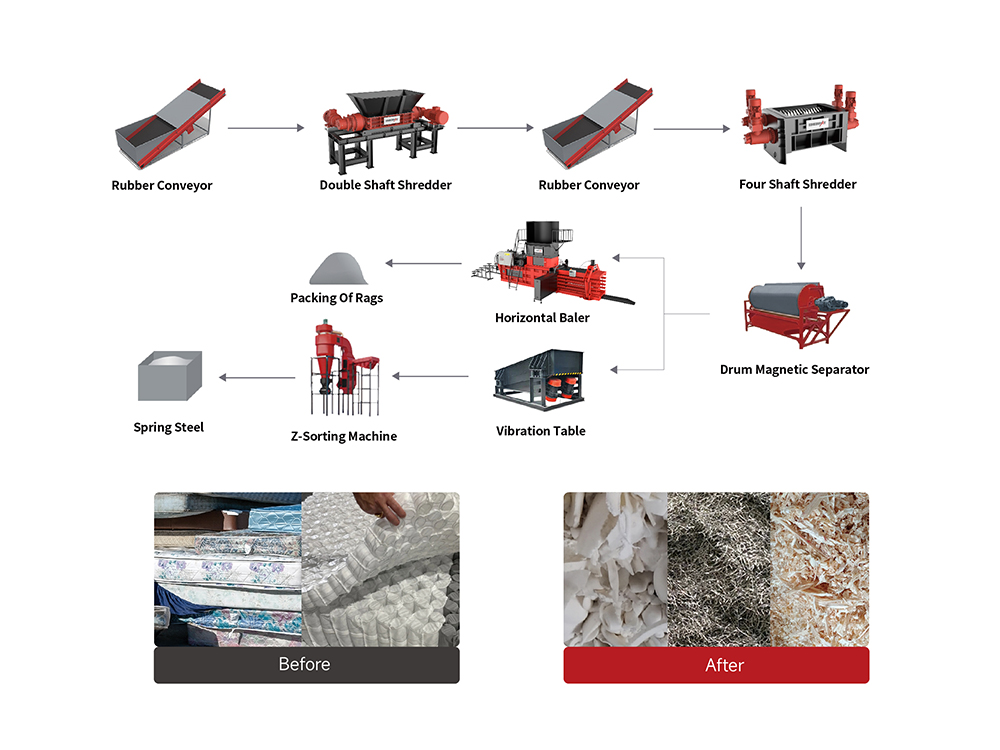
ENERPAT Mattress Recycling Solutions
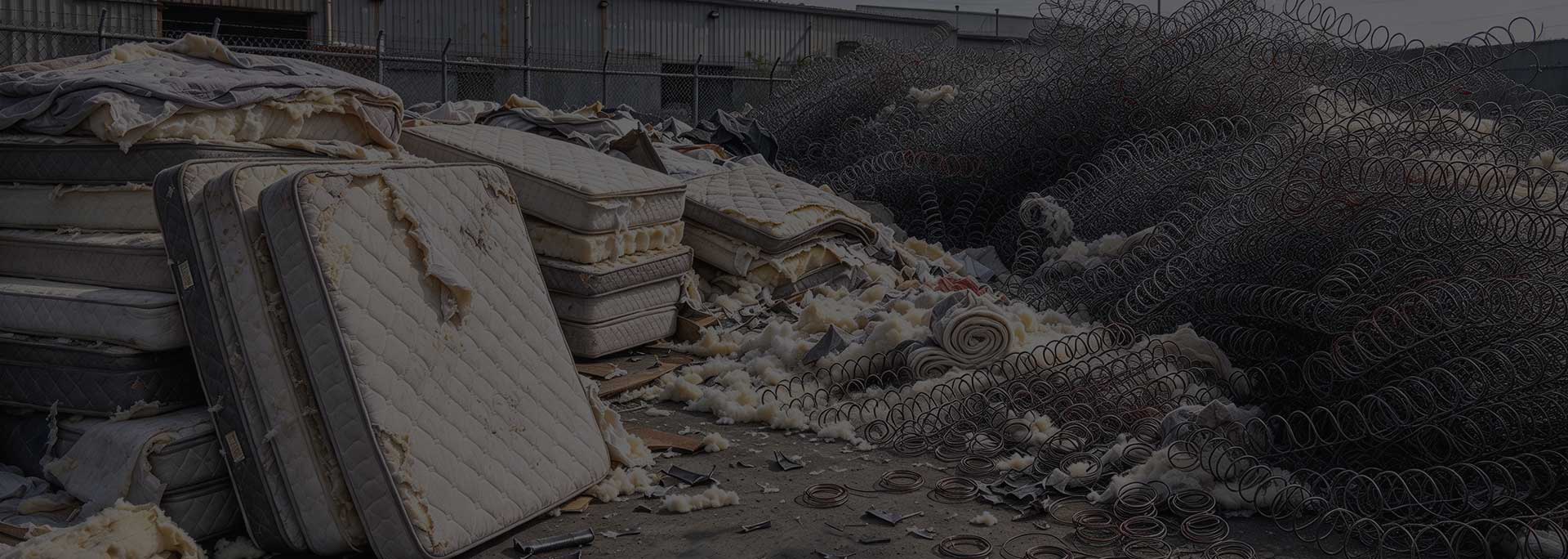
Recycling used mattresses is not just about reducing their size. The real challenge is separating steel springs from foam, fabric and other materials, then finding an efficient way to handle each recovered material.
ENERPAT provides customized mattress recycling solutions for different processing methods and business requirements. Whether you operate a complete mattress recycling facility or manually dismantle mattresses before recovering the steel springs, we can help you select the right equipment without investing in unnecessary machinery.
Our solutions cover two main applications:
Whole Mattress Shredding & Separation
Process complete used mattresses through a shredding and sorting system to separate steel from non-metal materials. Foam compression is available as an optional stage.
Standalone Mattress Spring Baling
For facilities that manually separate mattress foam and fabric, a Lid-Style Metal Baler compresses the recovered steel spring assemblies without requiring a complete recycling line.
Solution 1: Complete Mattress Shredding, Sorting and Foam Baling
For recyclers processing whole used mattresses
This solution is designed for businesses that receive complete end-of-life mattresses and want to separate recoverable steel springs from foam, fabric and other non-metal materials.
The processing system combines shredding, material separation and foam compression equipment.
After shredding and sorting, recovered steel is collected separately, while the non-metal fraction can be directed to a semi-automatic horizontal baler for compression. Operators manually tie the finished foam bales.
This configuration helps recyclers manage bulky mattress waste while improving the handling and transportation efficiency of recovered materials.
Main equipment:
-Twin Shaft Shredder
-Four Shaft Shredder
-Vibrating Screen
-Drum Magnetic Separator
-Air Separator
-Belt Magnetic Separator
-Semi-Automatic Horizontal Baler for Foam
Solution 2: Standalone Mattress Spring Baling
For recyclers manually separating mattress components
Some mattress recycling facilities prefer to dismantle used mattresses manually. Operators remove the foam and fabric first, leaving the steel spring assemblies for further processing.
In this case, a complete mattress shredding and sorting line may not be necessary.
Based on ENERPAT's practical application experience and on-site testing, a Lid-Style Metal Baler is a suitable solution for compacting separated mattress springs.
The machine uses a hydraulic compression chamber with a lid to compress bulky spring materials into compact metal bales. The appropriate model is selected according to the spring volume, material characteristics, feeding method and required output.
This approach allows businesses to invest only in the equipment they actually need.
Complete Mattress Recycling Process
From Whole Mattresses to Separated and Compressed Materials
For customers handling complete used mattresses, ENERPAT configures the shredding and sorting process according to mattress construction, material composition and required processing capacity.
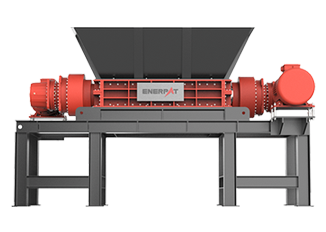
Step 1. Primary Shredding – Twin Shaft Shredder
Whole mattresses are fed into a twin shaft shredder for initial size reduction. Its two-shaft cutting system breaks down bulky mattress structures, preparing the material for secondary shredding and separation.
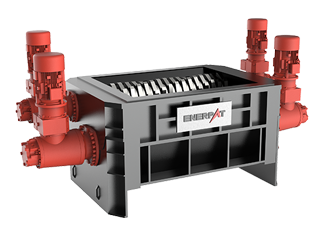
Step 2. Secondary Shredding – Four Shaft Shredder
The pre-shredded material enters a four shaft shredder for further size reduction. This stage helps produce a more manageable material stream for subsequent screening and separation.
The final particle size and machine configuration are determined by the incoming mattress structure and downstream separation requirements.
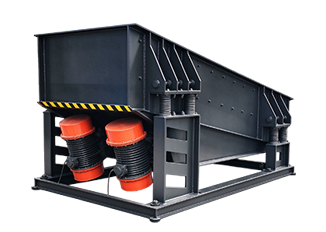
Step 3. Material Screening – Vibrating Screen
The shredded material passes through a vibrating screen to assist with material classification and distribution.
This stage helps regulate the material flow and prepares it for subsequent separation processes.
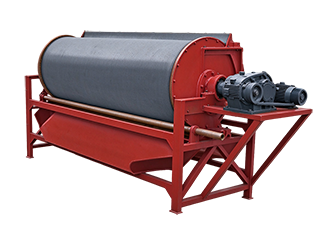
Step 4. Steel Recovery – Drum Magnetic Separator
A drum magnetic separator extracts ferrous steel components from the shredded mattress mixture.
The recovered steel is collected separately for further handling and recycling.
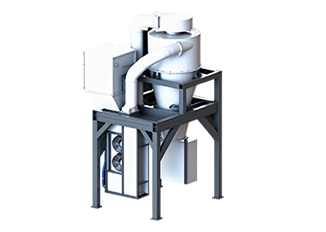
Step 5. Foam and Fabric Separation – Air Separator
The air separation system uses controlled airflow to separate lighter non-metal materials, such as foam and fabric, from heavier material fractions.
Its configuration can be adjusted according to the material characteristics and required separation results.
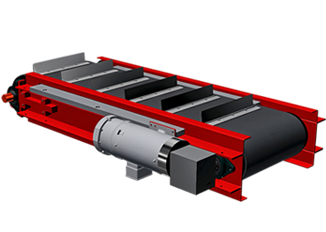
Step 6. Secondary Magnetic Separation – Belt Magnetic Separator
A belt magnetic separator captures remaining ferrous metal from the material stream, helping improve steel recovery and reduce metal contamination in the non-metal fraction.
The actual separation arrangement can be optimized following material testing and process evaluation.
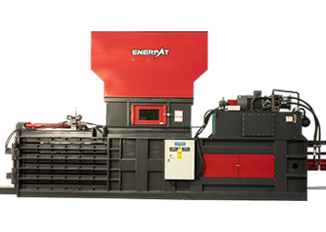
Step 7. Foam Baling – Semi-Automatic Horizontal Baler (Optional)
Recovered foam and textile fractions can be fed into the semi-automatic horizontal baler for compact baling. It is an optional unit for customers who need to reduce volume for foam and fabric storage & transportation.
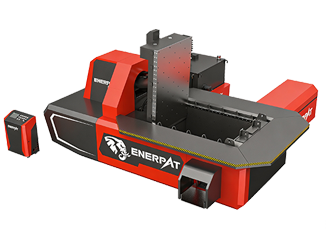
Spring Baling – Lid-Type Metal Baler (For Mattress Spring Recycling Only)
Specially for clients focusing on mattress spring recycling business. This lid-type metal baler directly compresses whole mattress springs into dense metal bales without fine shredding, simplifying the dedicated spring recovery workflow.
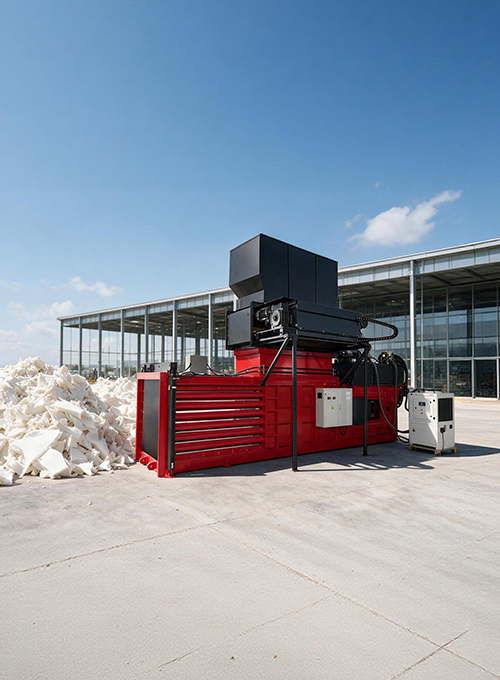
Foam Compression with a Semi-Automatic Horizontal Baler
Turn Recovered Mattress Foam into Compact Bales
After shredding and separation, recovered mattress foam can occupy considerable storage and transportation space.
For customers who want to compress the recovered foam, ENERPAT recommends a semi-automatic horizontal baler.
Unlike an automatic tying system, this machine uses manual bale strapping. Operators tie the compressed material after each bale is formed.
ENERPAT offers multiple semi-automatic horizontal baler models to accommodate different processing capacities and bale size requirements.
Why Choose a Semi-Automatic Horizontal Baler for Mattress Foam?
Flexible Model Selection: Different machine sizes and compression capacities can be selected according to actual foam output.
Manual Bale Tying: A practical tying method for facilities that do not require a fully automatic strapping system.
Improved Material Handling: Compressed foam bales are easier to stack, store and transport than loose shredded foam.
Capacity-Based Configuration: Baler selection is based on daily output, operating hours, material density and desired bale dimensions.
Mattress Spring Baling with a Lid-Style Metal Baler
A Standalone Baling Solution for Manually Dismantled Mattresses
For facilities that manually separate mattress foam and fabric from the steel spring assemblies, ENERPAT offers a more direct equipment option.
Instead of investing in a complete shredding and sorting line, customers can use a Lid-Style Metal Baler to process the separated mattress springs.
Through practical application experience and on-site testing, ENERPAT has identified the lid-style compression structure as a suitable option for this type of bulky spring material.

Equipment Selection Based on Real Applications
On-Site Material Testing
Practical Baling Experience
Installation and Technical Support
FAQ About ENERPAT Mattress Recycling Equipment
Are ENERPAT mattress recycling machines available in stock?
Yes. ENERPAT maintains inventory of popular models of key equipment, including twin shaft shredders, four shaft shredders, semi-automatic horizontal balers and lid-style metal balers.
However, stock availability depends on the machine model and its suitability for your application. If a suitable model is available in inventory, delivery can be arranged according to order confirmation and shipping arrangements. Customized configurations or models that are not in stock generally require a production lead time of approximately 1–3 months.
Contact our team with your material type and processing capacity to check current inventory and delivery options.
Can ENERPAT test our mattress materials before we purchase equipment?
Can I visit ENERPAT's factory and see the equipment in operation?
Does ENERPAT provide equipment installation and commissioning?
What after-sales service and technical support does ENERPAT provide?
What warranty does ENERPAT offer for mattress recycling machines?
Can I purchase individual machines instead of a complete mattress recycling line?
How do I get an accurate equipment quotation and delivery schedule?


